
Zero Export and Three-Phase Solar Systems Explained
Two terms you will meet in commercial and larger home quotes.
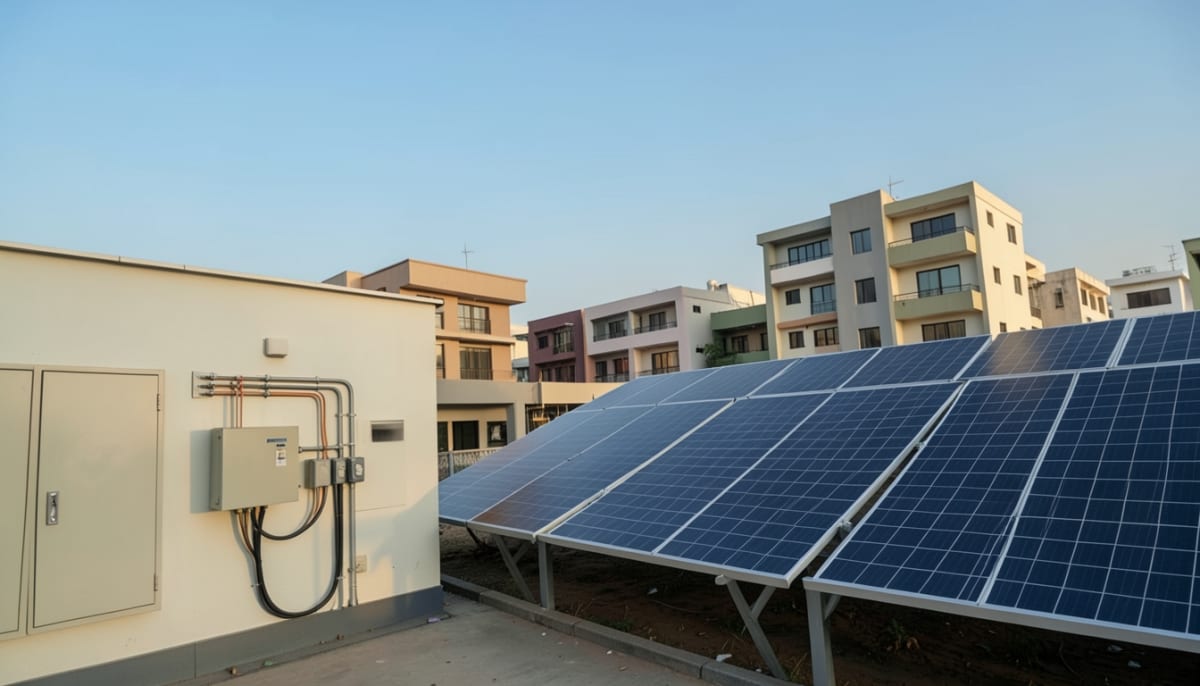 Solar That Never Sends Power BackZero Export, Three-Phase
 Sunpowers+91 96210 50636 · sunpowers.in
Two phrases appear often in commercial quotes: zero export and three-phase. Here is what they mean.
Zero export
A zero-export system uses a controller so the plant never sends power to the grid; it supplies only what your site consumes. It is used where net metering is not allowed or practical, or where the utility requires it. The trade-off is that surplus solar is not credited — it is simply not generated.
Single-phase vs three-phase
| Single-phase | Three-phase | |
|---|---|---|
| Typical use | Homes, small shops | Larger homes, factories, motors |
| Usual system size | Up to about 5 kW | Above 5 kW and for industrial loads |
| Inverter | Single-phase | Three-phase |
Your electricity connection decides which one applies. The installer should read your sanctioned load and phase before quoting. See industrial solar and VFD solar.
Is zero export cheaper?
The controller adds cost, but it can avoid delays when export approvals are hard to get.
Can I convert later to net metering?
It depends on the inverter and local rules; ask during design.
Get a free solar site visit in Uttar Pradesh
Our team checks your roof, sizes the system, explains the subsidy and gives a written quote. No pressure.
Keep reading
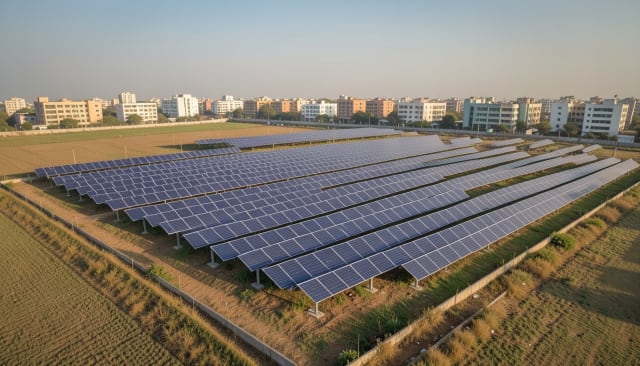 1 MW: How Big Is It Really?Needs 65,000+ sq ft RoofSunpowers+91 96210 50636 · sunpowers.in
1 MW Solar Power Plant: Cost, Land or Roof Needed and Output
Large-scale solar for industries and institutions.
Read more →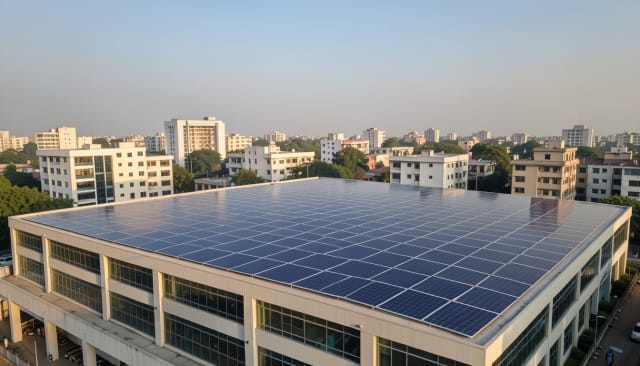 What Does 100 kW Really Look Like?₹9–15 Lakh Saved a YearSunpowers+91 96210 50636 · sunpowers.in
100 kW Solar Plant: Cost, Roof Area, Generation and Savings
A common size for factories, colleges and cold stores.
Read more →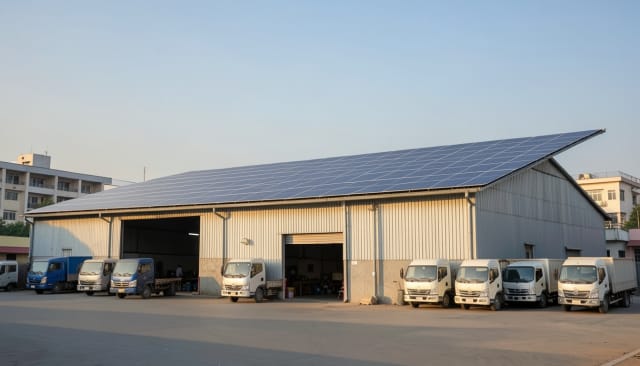 Will Solar Pay Off for Your Factory?Savings and PaybackSunpowers+91 96210 50636 · sunpowers.in
Rooftop Solar for Factories in Uttar Pradesh: ROI, Savings and Risks
A practical way to decide on a 100 kW to 1 MW rooftop plant.
Read more →