
How Does an On-Grid Inverter Work?
Let's Understand On-Grid Inverters and Grid-Tied Inverters
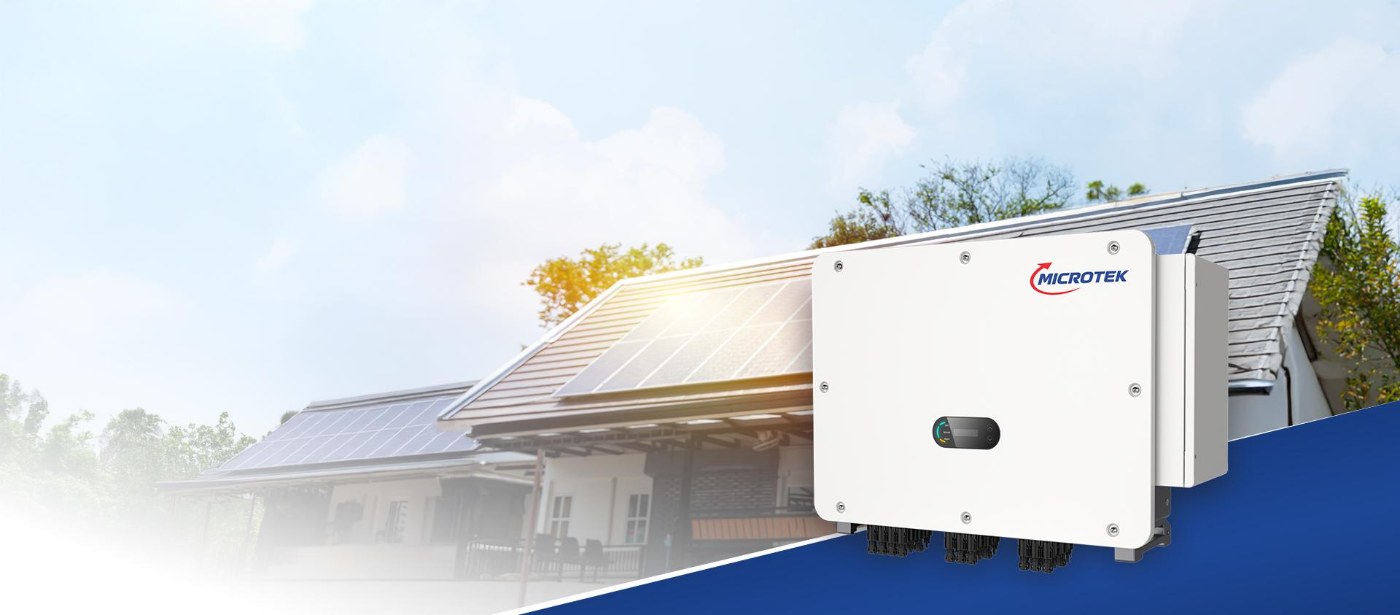
How Does an On-Grid Inverter Work? Let's Understand On-Grid Inverters and Grid-Tied Invert
Discover what an On-Grid Solar Inverter is, how it converts solar energy into usable electricity, how it synchronizes with the utility grid, and why it is an essential part of modern solar power systems.
Introduction
Solar energy is becoming one of the most popular renewable energy sources for residential, commercial, and industrial applications. One of the most important components of a grid-connected solar power system is the On-Grid Inverter, also known as a Grid-Tied Inverter.
But what exactly is an On-Grid Inverter, and how does it work? Let's understand its technology, working process, and benefits.
What Is an On-Grid Inverter?
An On-Grid Inverter is an electronic device that converts Direct Current (DC) electricity generated by solar panels into Alternating Current (AC) electricity.
It connects the solar power system directly to the utility electricity grid. Unlike traditional off-grid systems, a standard On-Grid Solar Inverter generally does not require batteries.
It synchronizes its output with the grid's voltage and frequency, allowing solar-generated electricity to power electrical appliances and excess energy to be exported to the grid under an approved metering arrangement.
How Does an On-Grid Inverter Work?
An On-Grid Solar Inverter works through the following steps:
1. Solar Energy Generation
Solar panels absorb sunlight and generate DC electricity through photovoltaic technology.
2. Maximum Power Point Tracking (MPPT)
The inverter uses MPPT technology to continuously adjust the operating point of the solar panels and extract the maximum available power under changing sunlight and temperature conditions.
3. DC to AC Conversion
The inverter converts the DC electricity produced by solar panels into AC electricity suitable for household and commercial electrical loads.
4. Grid Synchronization
The inverter monitors the utility grid's voltage and frequency and synchronizes its AC output with the grid before supplying power.
5. Electricity Distribution
Solar-generated electricity is used by connected appliances. When solar production exceeds consumption, surplus electricity can be exported to the grid through an approved net-metering or other applicable arrangement.
When solar production is insufficient, electricity is imported from the utility grid.
What Is a Grid-Tied Inverter?
A Grid-Tied Inverter is another name for an On-Grid Inverter. It is specifically designed to operate in synchronization with the public electricity grid.
Modern grid-tied inverters often include smart monitoring, MPPT technology, overload protection, surge protection, and anti-islanding protection.
Anti-islanding protection is particularly important because it automatically disconnects the inverter from the grid when utility power fails, helping protect utility workers and electrical equipment.
Benefits of On-Grid Solar Inverters
- Reduced Electricity Bills: Solar energy can reduce the amount of electricity purchased from the grid.
- No Battery Requirement: Standard grid-tied systems generally operate without battery storage.
- High Efficiency: Modern inverters provide efficient DC-to-AC conversion.
- Net Metering: Surplus electricity may be exported under applicable regulations.
- Smart Monitoring: Users can monitor solar generation and system performance.
- Eco-Friendly Energy: Solar power helps reduce dependence on conventional electricity sources.
Conclusion
An On-Grid Solar Inverter is an essential component of a modern grid-connected solar power system. By converting DC electricity into AC electricity and synchronizing with the utility grid, it makes solar energy practical for homes, businesses, and industries.
With advanced MPPT technology, smart monitoring, and safety protection, Grid-Tied Inverters offer an efficient way to utilize renewable solar energy while potentially reducing electricity expenses.
Choose smart solar technology today and take a step towards a cleaner, more energy-efficient future.
Get a free solar site visit
Our team checks your roof, sizes the system, explains the subsidy and gives a written quote. No pressure.
Keep reading
Do You Know The Difference Between Bifacial Solar Panel v/s Bifacial TOPCon Solar Panel?
Read more → Is Your State Solar-Ready?Free Quote, Any State
 Sunpowers+91 96210 50636 · sunpowers.in
Solar in Your State: How Sunpowers Serves Customers Across India
Lucknow office, India-wide work — and how to start from wherever you are.
Read more → Adani or Waaree? The Honest AnswerFive Brands ComparedSunpowers+91 96210 50636 · sunpowers.in
Solar Panel Brands Sunpowers Installs: Adani, Waaree, TATA, Luminous Compared
Which panel brand suits which roof, in simple words.
Read more →